

Cats are well known for their fastidious grooming habits. However, even the most meticulous feline needs some grooming assistance from their owner from time to time. Cats rarely visit professional groomers, so keeping up with grooming at home is vital.
As veterinarians, we believe it’s important for cat owners to be aware of the grooming needs of their furry friends to keep them healthy and happy. In this blog post, we’re sharing the five grooming things you should check on your cat every month to ensure they are in the best possible condition. If you ever have any concerns about your cat’s health or grooming needs, we encourage you to contact your veterinarian right away.
1. Head
- Ears: How can you tell if there’s something wrong with your cat’s ears? The first thing you’ll want to look out for is odor. If your cat’s ears smell unpleasant, they may have an infection. Check their ears for excessive wax buildup, too. This could indicate ear mites, especially if your feline friend goes outside.
Mites cause several symptoms, including:
- Itching
- Head shaking
- Crusty, dark brown-to-black discharge
- Eyes: The eyes are windows to your cat’s health, so keep an eye (pun intended) out for anything unusual. Check for discharge and changes to the color or appearance of the eye. Never put anything in your cat’s eyes without consulting a veterinarian. Call your cat’s veterinarian if you notice any changes.
- Nose: Check for obstructions or discharge. Your cat’s nose doesn’t have to be wet, but it shouldn’t be dry or cracked. If your feline friend has a runny nose, see your vet.
- Mouth: A healthy mouth should have normal coloration—not red or pale. Check for missing teeth and signs of tooth decay, tartar buildup, tooth damage, bleeding gums, etc. Make sure there isn’t anything stuck in your cat’s mouth, and pay attention to how their breath smells. Foul-smelling breath is a common sign of dental disease.
2. Fur
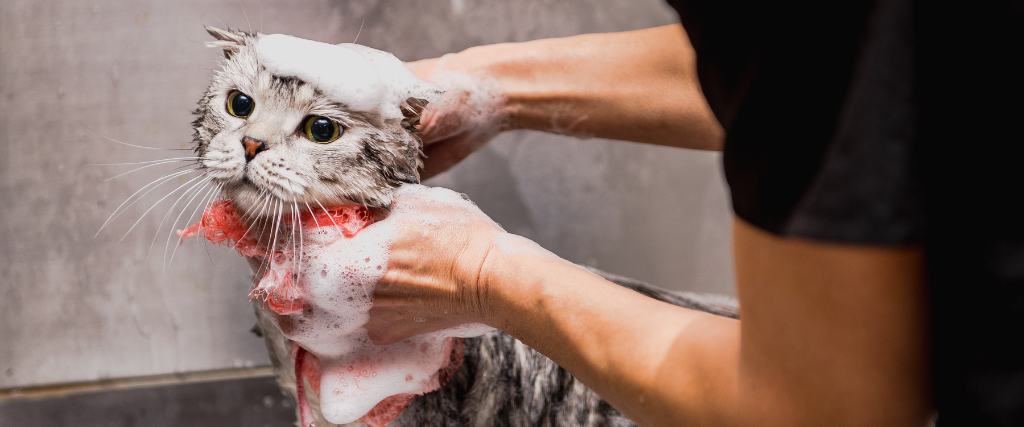
Cats constantly groom themselves, but that doesn’t mean they can fully care for their fur. If you’re noticing bald spots on your cat or if they’ve stopped grooming themselves, there could be a medical problem. Allergies, external parasites, thyroid problems, and many issues can affect a cat’s fur, so seek veterinary care if you notice changes.
Long-haired cats are prone to painful mats, particularly around their ears, by their tail, under their “arms,” and on their belly. Check for mats while grooming, and gently remove them by brushing or contact a professional cat groomer for assistance. Never use scissors to remove a mat on a cat. Their skin is so elastic that we often see cats for cuts caused by scissors. Clippers are a much safer option, but an untrained person may still unintentionally cut a cat’s skin.
3. Skin and Body
Part your cat’s fur, and examine their skin. Does it appear smooth and healthy? There shouldn’t be any lumps, bumps, rashes, or discoloration. Remember, both female and male cats have nipples, so small bumps on your male cat’s belly may not be cause for concern. Keep an eye on skin pigmentation. If you notice any sudden changes, an underlying health problem could be to blame.
Check for signs of flea bites, which are most noticeable at the base of the tail and around the abdomen. Environmental allergies often cause redness, irritation, and redness. Food allergies can affect cats’ skin, too. However, food allergies are rare in cats, so talk to your veterinarian before changing their diet.
Observe your cat’s body condition. You may think chunky cates are cute, but excess weight is harmful. Your cat should have a lean, but not skinny, appearance. If they are under or overweight, talk to your vet. Also, seek medical attention if your pet experiences a rapid weight change.
4. Legs
Gently feel your cat’s legs, and work their joints if they let you. If you notice any areas that seem painful or you meet resistance, schedule an exam. If your feline friend seems painful, they could have arthritis or another painful problem. Cats are notorious for hiding pain, so err on the side of caution.
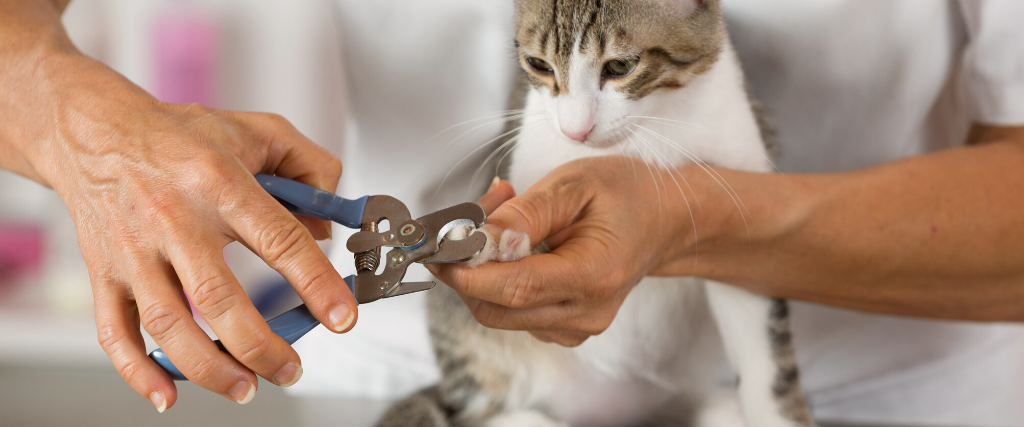
Hold your cat’s paw, and press the pad and top of each toe between your fingers. You should feel a joint bending and see their claw extend out. Check for damage. The claw should be free of cracks and have a sharp tip (unless you choose to keep their nails trimmed.) Because cats’ nails shed naturally when they use a scratching post or climb trees, nail trimming isn’t always necessary. However, regular trims can protect you, your furniture, and your curtains from damage.
Make sure your cat has access to a post or cardboard scratcher, so they can sharpen their claws and mark their territory. This helps keep the nails at an appropriate length. If your cat’s nail curls into the pad, contact a veterinarian. Geriatric cats who no longer use a scratching post will need regular nail trims.
5. Bottom
It’s not the most glamorous part of being a cat owner, but regularly checking your furry friend’s bottom is essential. Like dogs, cats have two anal glands located at 5 and 7 ‘clock on their anus. The glands typically empty themselves when your cat goes to the bathroom, and cats don’t need help expressing them. However, seek prompt veterinary care if you think your cat has infected or impacted anal glands. Anal gland issues are very painful, and infections can cause serious health problems.
If you have a long-haired cat, consider trimming their bottom. This prevents urine and feces from getting caught in their fur and causing discomfort.
Conclusion
Cats are expert groomers and spend nearly half of each day grooming themselves. They still need some help from their owners, too. As veterinarians, we recommend thoroughly grooming your feline friend monthly and checking for potential problems. In addition to maintaining your cat’s health, regular grooming sessions strengthen the human-animal bond and make you feel closer to your purr-fect pet.
By checking your cat’s head, fur, skin, body, legs, and bottom monthly, you’re more likely to detect potential problems before they become serious. If you notice any changes or have concerns about your cat’s health, please contact us and schedule an appointment.